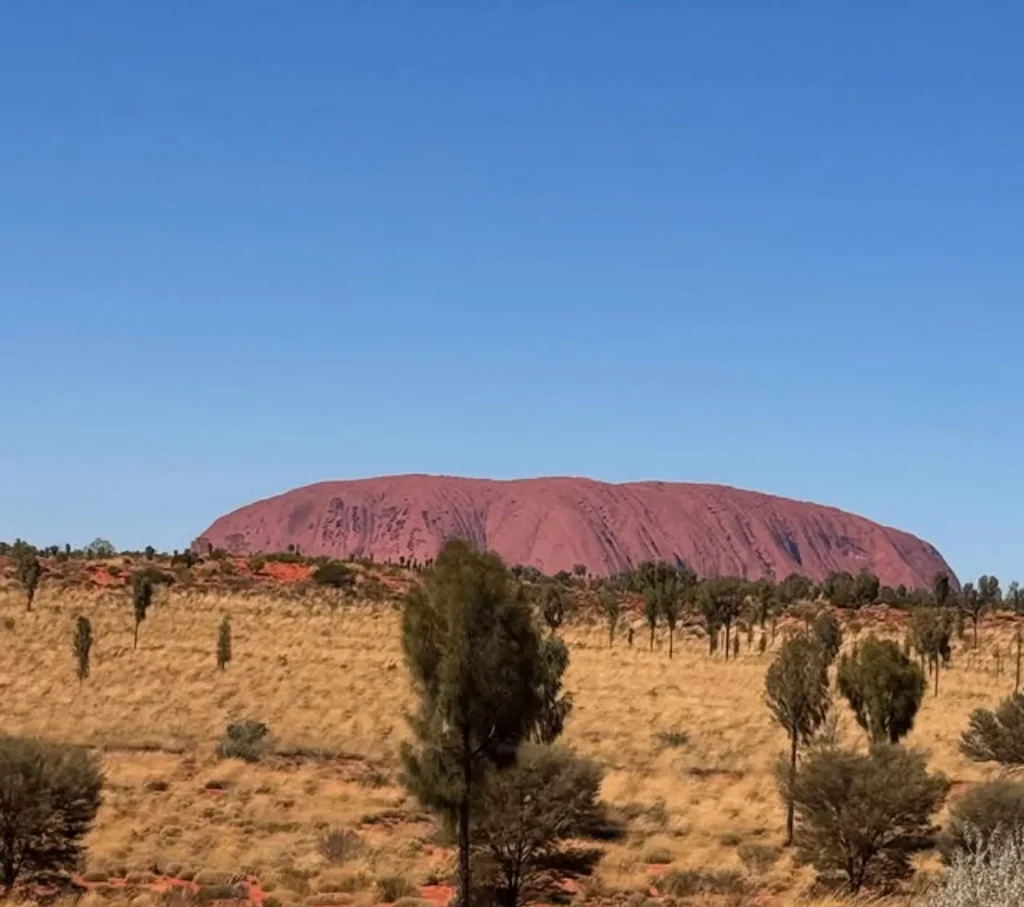
For decades, Ayers Rock was promoted as something to conquer. A big tick on the Aussie bucket list. A test of endurance and heat tolerance. But on 26 October 2019, the chain came down for good. That date now marks the official climbing ban at one of Australia’s most culturally significant and spiritually sacred sites.
It wasn’t just a rule change. It was a turning point in Australian tourism — a shift towards listening to Traditional Owners, acknowledging the pain of the past, and walking forward with respect. Booking an uluru tour with a local guide enhances your understanding of Anangu traditions and Tjukurpa law.
A Controversial Climb Across Decades
The track up Uluru — also known as Ayers Rock — had been walked by thousands of people since the mid-20th century. The metal climb chain was installed in 1964, turning the steep, hot slope of this sandstone monolith into a so-called “must-do”.
But long before international tourists and white people arrived with their hiking boots, Aboriginal people knew Uluru as a sacred rock, tied to stories from creation time, held by Aboriginal owners under Tjukurpa law.
Despite warnings, people climbed daily. On a daily basis, domestic tourists, international visitors, and tour groups ascended the rock — often ignoring signs asking them not to. For those who want a fuller immersion, an Uluru 3 day tour includes sunset views, base walks, and nearby Kata Tjuta exploration.
And the toll? At least 37 people died on the rock. Countless others were injured. Park rangers dealt with injuries, rescues, and cleanup. The environmental reasons for closure stacked up fast — erosion, rubbish, and toilet facilities inadequate for that high-use zone.
Why Was the Uluru Climb Closed?
The climb closure wasn’t sudden. It was the result of decades of controversy, pressure, and growing awareness. The reasons fell into four overlapping camps:
1. Cultural Reasons & Spiritual Significance
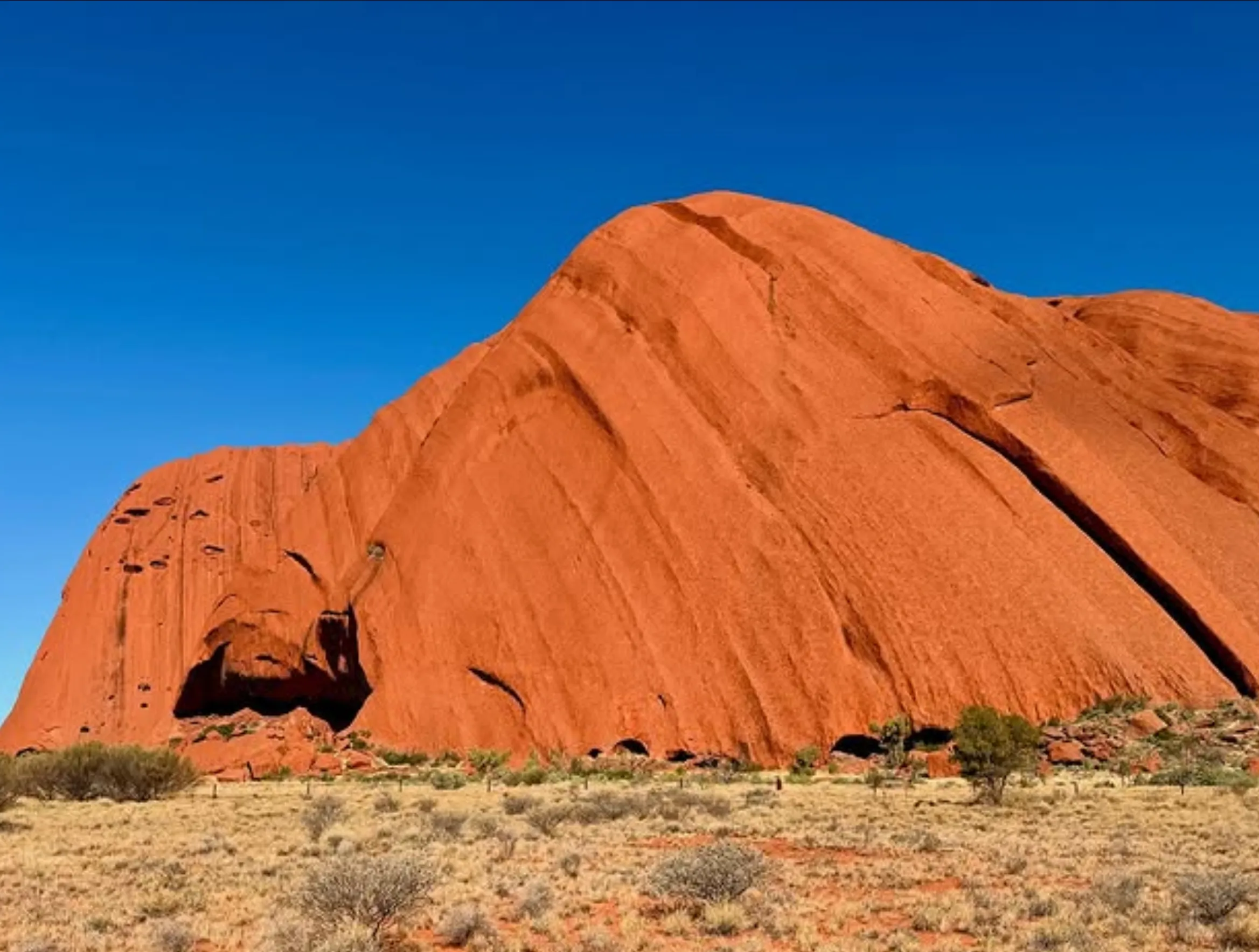
Uluru isn’t a tourist attraction. It’s a living cultural landscape. The climb route itself cuts across sacred men’s sites. For the Anangu people — the Indigenous Australians who’ve cared for this land for tens of thousands of years — it’s not just disrespectful to climb. It’s deeply painful.
The intention of climbing was often misaligned with Anangu beliefs. While some climbed for views or challenge, others treated the site casually — ignoring its status as a giant monolith of sacred significance.
2. Aboriginal Ownership and the Role of the Park Board
In 1985, the Australian Government formally handed back the land title of Uluru and Kata Tjuta to its Aboriginal owners. Management shifted to a joint structure between Parks Australia and the Uluru-Kata Tjuta National Park Board — a group where Traditional Owners hold a majority.
That National Park board of management made the decision in 2017 to close the climb — giving two years’ notice for tourism operators, travellers, and the tourism industry to adjust.
3. Environmental Reasons
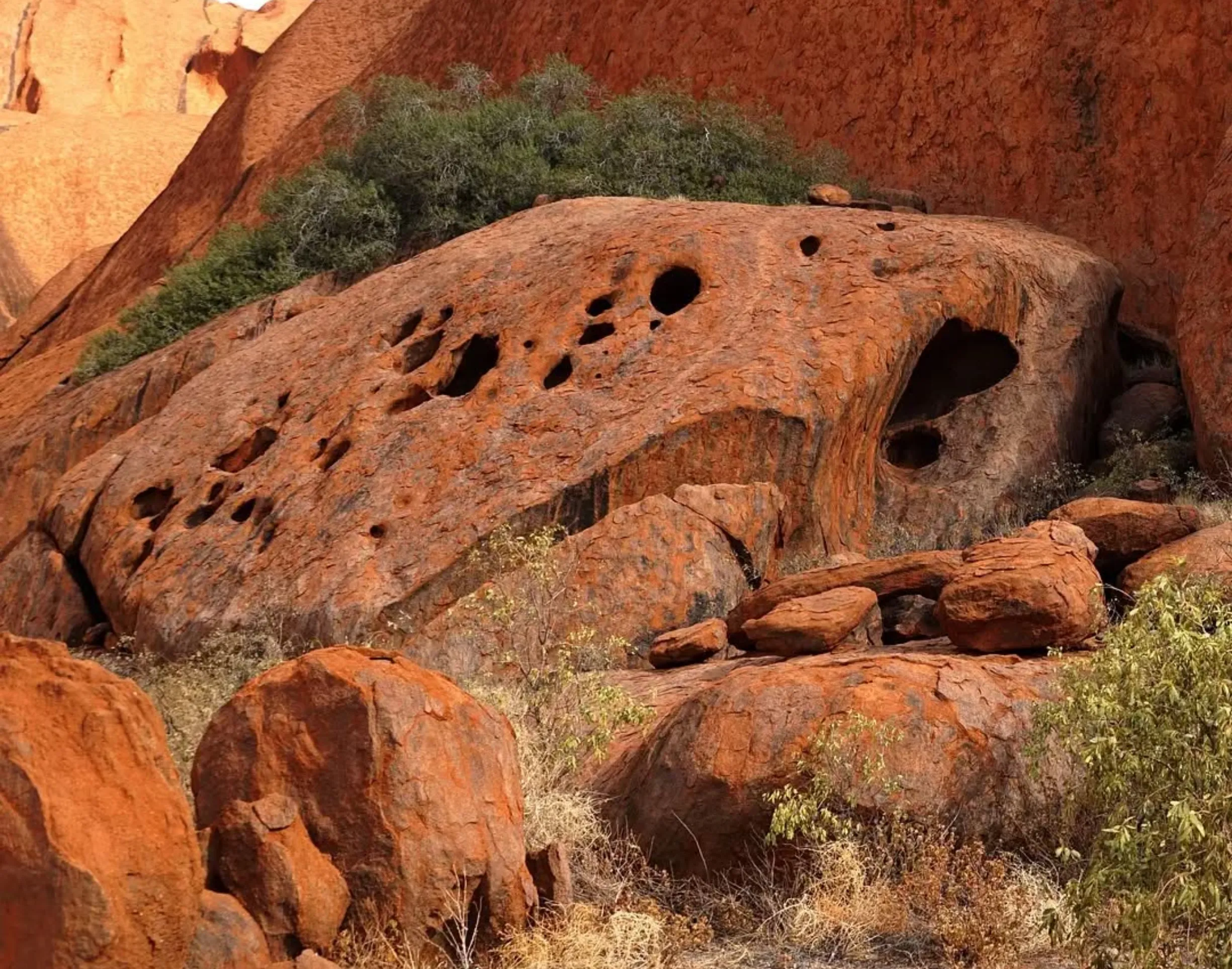
Uluru’s rocky surface wasn’t made for foot traffic. Years of climbing caused scarring on the path and introduced pollution to sacred waterholes below — waterholes still used in cultural practices.
The lack of toilet facilities at the top also meant waste runoff during rain events — an environmental and cultural insult.
4. Safety and Logistics
The rock climb is steep — dangerously so. Even with the climb chain, it’s treacherous in Current Time conditions with heat, wind, and dehydration risks. For a long time, the climb was an active concern for park management and rescue crews.
The Final Day: 26 October 2019
The last morning saw thousands of people queuing for one final climb. A mix of emotions: some respectful, some pushing past warnings. But at 4 pm, it was over.
The climbing ban came into effect. The chain was dismantled. The signs changed. What followed was a wave of visitor responses ranging from celebration to frustration, especially from those who hadn’t updated their Travel Research. Many travellers opt for a 2 day Uluru tour to balance sightseeing with cultural experiences.
The choice of date was significant. It marked 34 years since the land was returned to its Traditional Owners. A full circle moment.
What can You Do at Uluru Now?
Short answer? Heaps. The end of the climb has actually opened the door for more meaningful experiences. Uluru tours now focus on cultural learning, nature walks, and deep storytelling rather than physical ascent.
The Base Walk
At 10.6 kilometres, the Base Walk gives you access to sacred sites, rock art caves, and waterholes — all while keeping both feet on the ground. Perfect for sunrise or sunset, with views across the Australian desert that rival any summit photo.
Guided Tours by Indigenous People
From Anangu-led tours to joint initiatives with companies like SEIT, Wayoutback, and others, you can now walk alongside Indigenous people, hearing stories of the land first-hand. If you’re short on time, a 2 day uluru tour from Alice Springs offers a compact but meaningful journey through the Red Centre.
Cultural Centre Visit
Located near the rock, the cultural centre is a vital first stop. It’s a hub of story, art, and education. Want to understand why the sacred rock matters? Start here.
Sunrise and Sunset Viewings
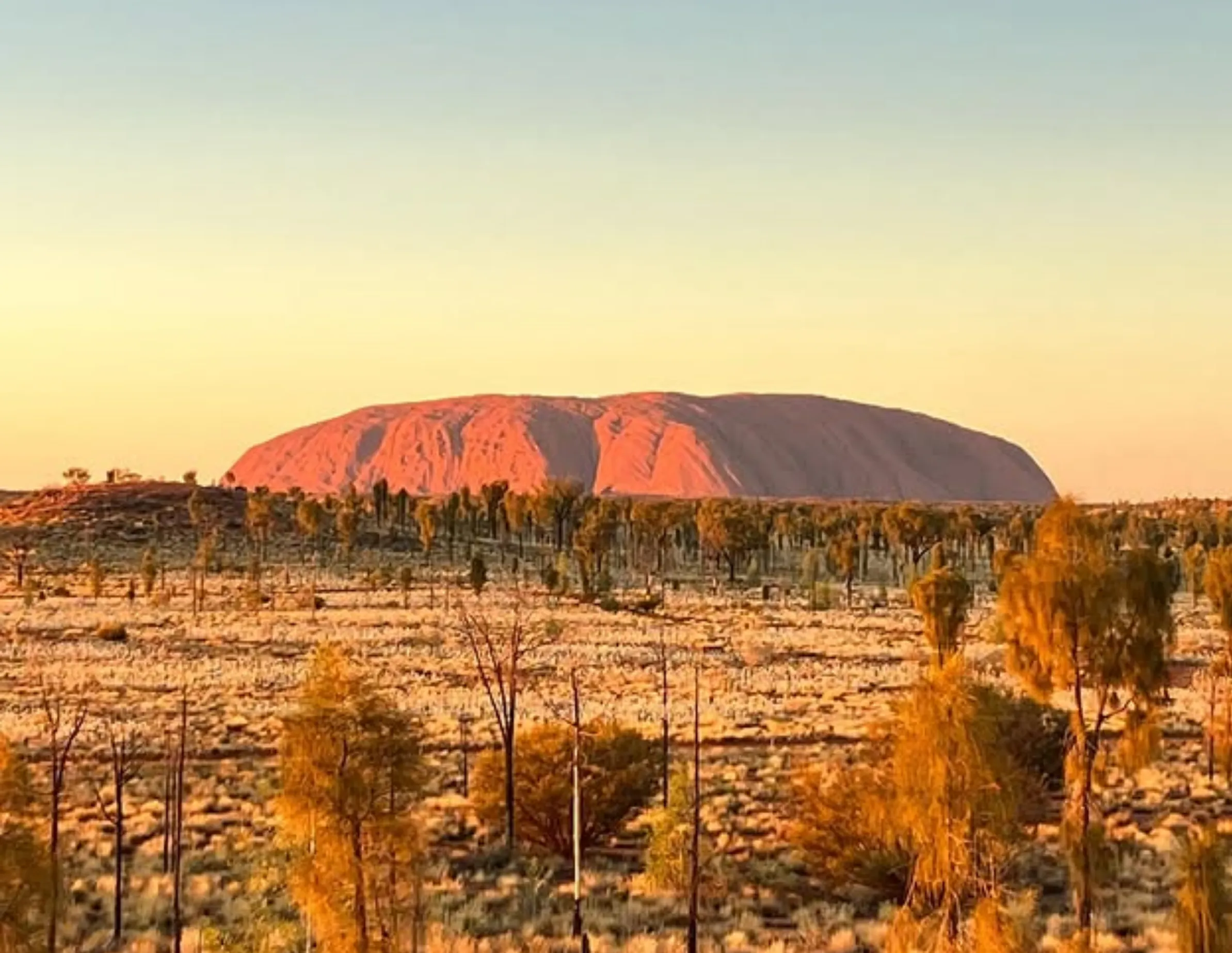
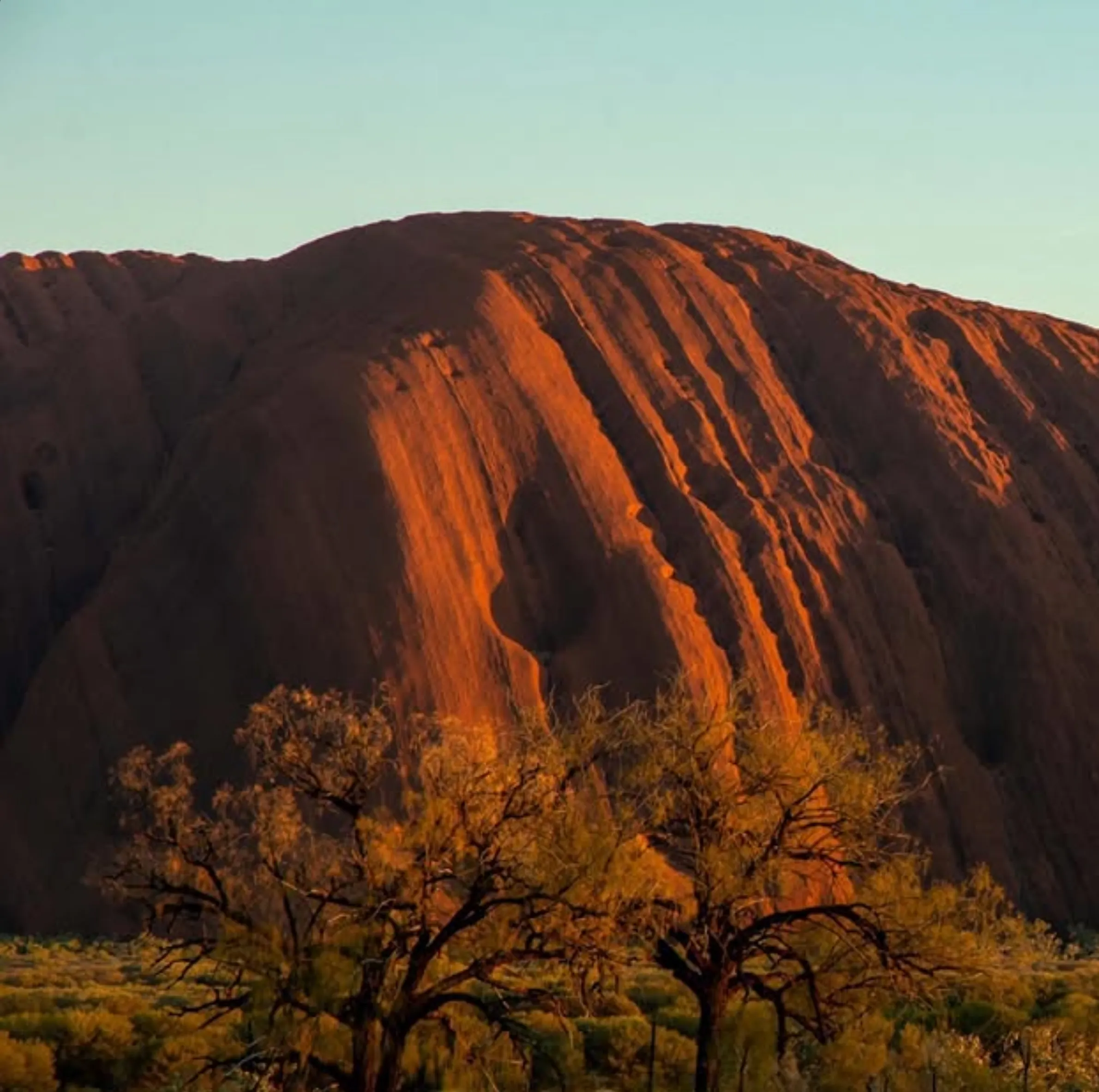
The colour shifts across Uluru at dawn and dusk are surreal. Watch from Talinguru Nyakunytjaku or the Ayers Rock Resort platforms. No climb needed.
How the Tourism Industry Has Adapted
The climb’s closure was met with concern by some tourism operators — but it hasn’t dented visitation. In fact, it’s redefined Uluru as a destination of depth, culture, and respect.
- Ayers Rock Resort (also called the Rock Resort) now heavily promotes cultural experiences and low-impact travel.
- International tourists and domestic tourists alike are embracing the shift.
- Travel Research from Reconciliation Australia shows strong support for protecting sacred places.
And yes, the percentage of visitors who came just to climb had already dropped below 20% before the ban. For most, the climb was never the reason.
Park Rangers and Cultural Protocols
These days, park rangers — many of whom are Anangu — guide visitors through safe, respectful practices. You’re free to explore, but:
- Stay off restricted areas.
- Don’t photograph certain sacred sites.
- Learn before you walk — signage and local guides are there to help.
Planning Your Trip
Getting There
Fly direct to Connellan Airport near Yulara, or take a road trip from Alice Springs (approx. 5–6 hours on sealed road).
Where to Stay
Your options range from unpowered campsites to luxe glamping at Longitude 131. All managed under the Ayers Rock Resort umbrella.
Best Time to Visit
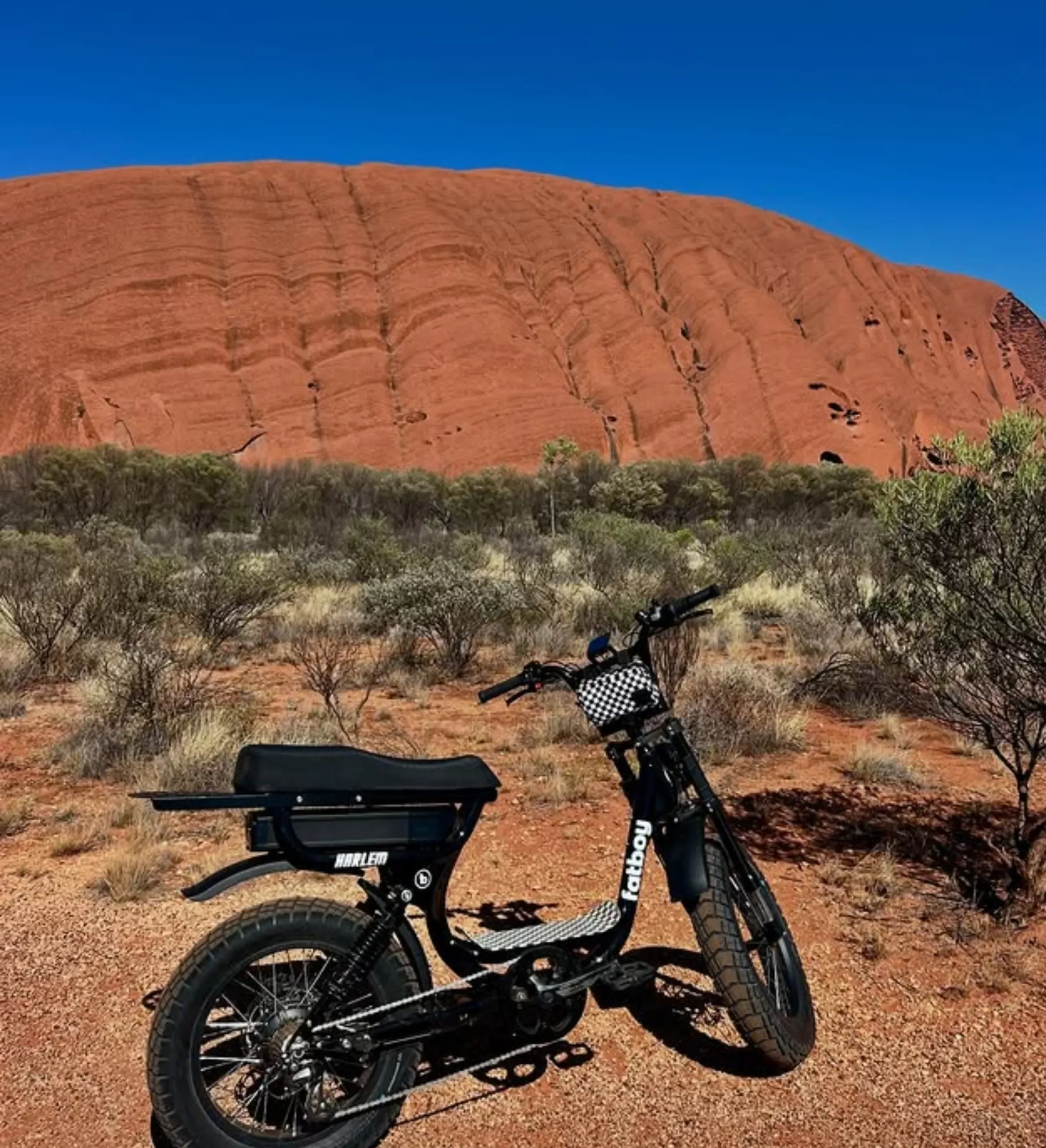
April through September is cooler, perfect for hiking and long walks around this sandstone monolith.
Tips
- Buy your Parks Australia pass online in advance.
- Respect all closures, especially around ceremony times.
- Carry water, wear a hat, and be sun smart. This is the Australian desert, after all.
Walking Forward with Respect
The climb closure wasn’t about restriction. It was about realignment. Australia, finally, listening to its Indigenous Australians. Respecting Aboriginal people’s law, spiritual significance, and cultural sovereignty.
For visitors, it’s a powerful reminder: when you travel here, you’re walking on someone else’s Country.
And now, more than ever, you’re welcome to walk with, not over.
Final Word
Uluru was never ours to climb. Now, we finally get the chance to see it — and feel it — the way the Traditional Owners always have. For small-group adventures with local guides, check out Wayoutback Tours, known for immersive Red Centre itineraries.
FAQs
When did Uluru stop being climbed?
The climb closed on 26 October 2019, following a decision by the Uluru-Kata Tjuta National Park Board to honour the wishes of the Traditional Owners.
Why was the Uluru climb closed?
Uluru is a sacred site with immense spiritual significance to the Aboriginal owners. Also due to environmental reasons, safety concerns, and decades of visitor mismanagement.
Can you still visit Uluru?
Absolutely. Uluru is open and thriving, with walking tracks, cultural tours, and stunning viewing points around the base.
What is the Cultural Centre?
It’s the cultural centre near the base of Uluru. Run with input from Indigenous people, it offers art, storytelling, education, and background on park management.
What if I really wanted to climb it?
Understandably, many grew up seeing the climb in postcards. But the intention of climbing now belongs to history. The experience of listening, learning, and walking respectfully is far richer.