Cosmetic tattooing is a growing service in the beauty industry with more people seeking permanent makeup solutions for their eyebrows, eyeliner, lips and more. If you’re interested in becoming a cosmetic tattoo artist you may be wondering how long does a cosmetic tattoo course take? This article will break down the duration, structure and what to expect when enrolling in a cosmetic tattoo training course.
What is a Cosmetic Tattoo Course?
A cosmetic tattoo course is designed to teach beauty professionals the skills to perform cosmetic tattooing procedures such as eyebrow tattoos, eyeliner tattoos, lip blush tattoos and even advanced techniques like nipple areola complex tattooing. These courses cover technical skills like tattooing techniques, colour theory, tattoo machine operation and practical components like client consultations, infection control and client assessment.
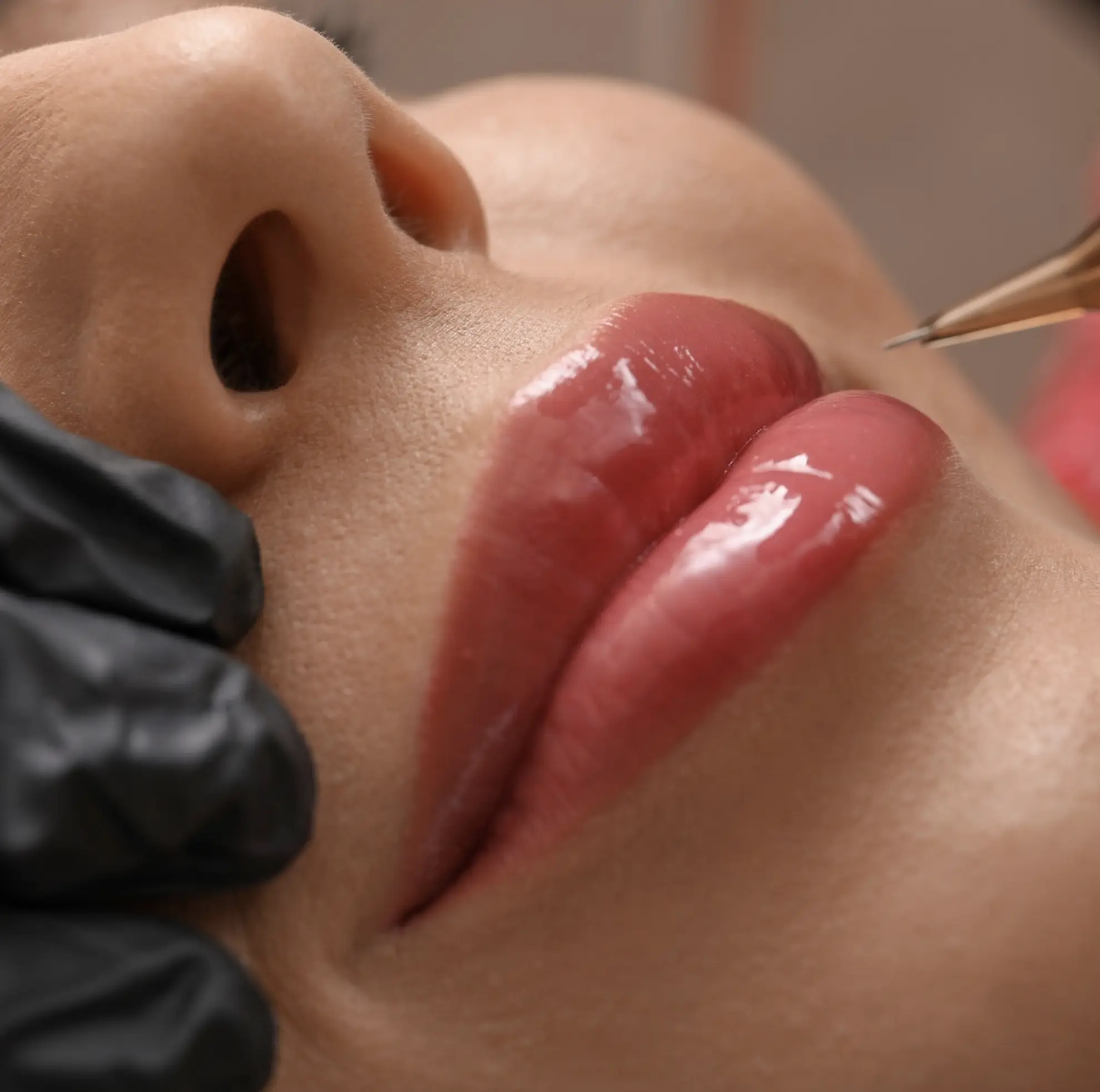
Duration of a Cosmetic Tattoo Course
Course duration varies depending on the type of course you are doing. Here is a breakdown of typical course lengths:
1. Short Intensive Courses
- 2–5 days
- Focus: Basic techniques such as combination brows, lip blush and eyeliner cosmetic tattooing.
Includes:
- Skin penetration health and health regulations compliance
- Cosmetic tattoo fundamentals
- Pigment and colour theory
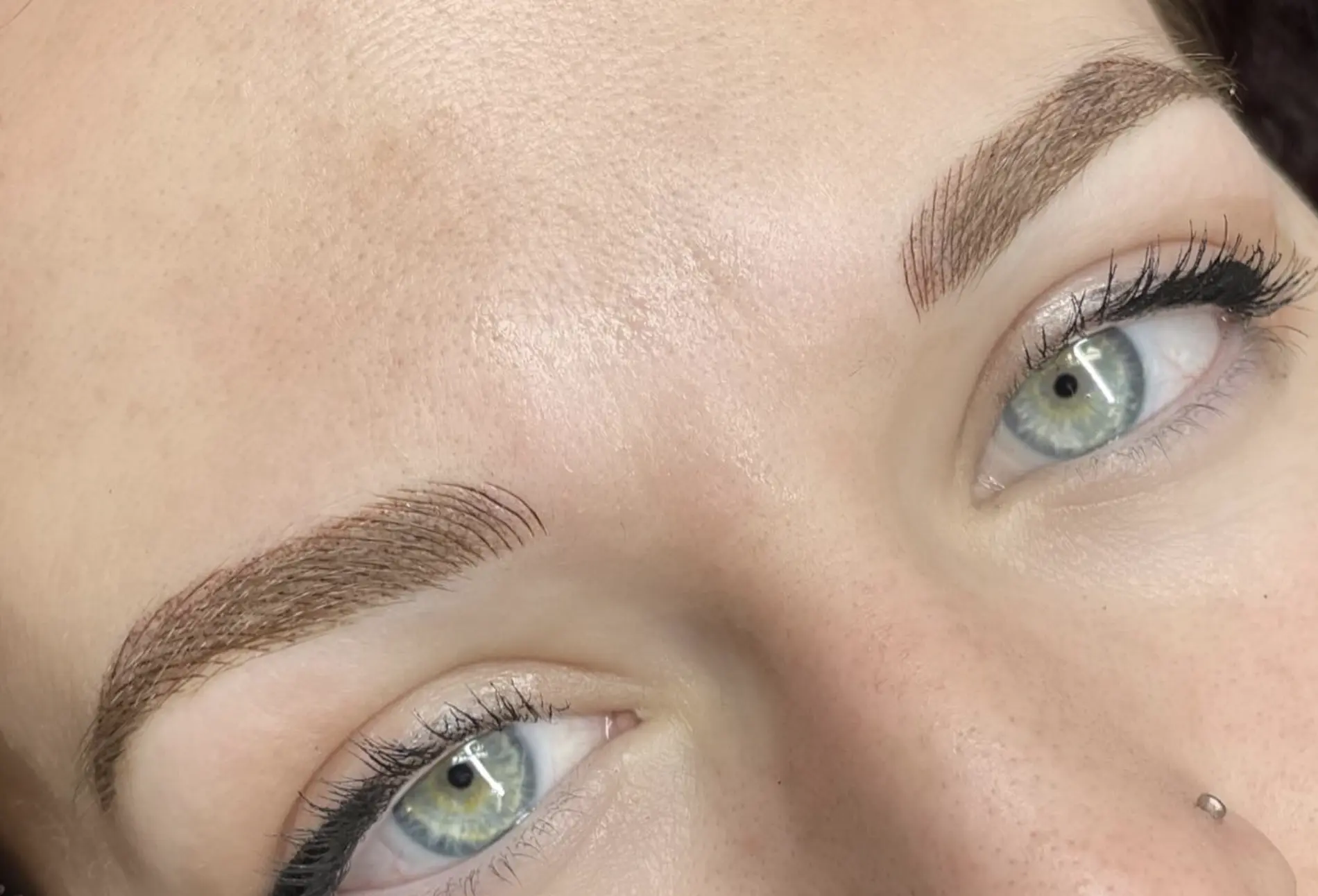
Short courses are great for beginners who want to get a feel for the design principles and start their tattoo journey.
2. Full Spectrum Training
- 1–4 weeks
- Focus: From skin undertone study to mastering ombré brows and 3D feather hair strokes.
Includes:
- Advanced mapping techniques
- Practice on cosmetic tattoo practice skin
- Colour wheel, correction colours and colour pigment outcomes study
This duration is great for aspiring cosmetic tattoo artists who want an all round education with hands on step by step experience.
3. Advanced Techniques and Masterclasses
- 1–3 days
- Nipple areola complex tattooing or tattoo removal machine usage.
Includes:
- Correction techniques and colour correction
- Post treatment advice
- Treatment demonstration for specific challenges
These courses are great for experienced cosmetic tattoo artists who want to hone their skills.
4. Apprenticeships and Ongoing Training
- 3–6 months (part time)
- Real world practice under an international trainer or expert trainers.
Includes:
- Designing treatment plans for clients
- Client assessment and management
- Business acumen through business units
This type of training allows participants to gain confidence and experience with real clients, it’s a must have for any cosmetic tattoo artist.
Factors Affecting the Length of Courses
Experience
Some courses are for absolute beginners with no tattooing experience, others are for experienced beauty professionals looking to specialise or upskill in their existing skills. If you already have a background in makeup artistry or similar, you may be able to complete the course quicker.
Course Content and Modules
Course duration will depend on how many units and technical skills are covered. Some cosmetic tattoo training courses offer additional study options such as business electives which will extend the course length. Infection prevention, skin penetration health and practical components are must haves for comprehensive training.
Hands-on Training
Practical training is a must have for any cosmetic tattoo course. Some courses offer intensive hands-on training which includes client consultation practice, practice on exercise mats and working with different types of practice skin. Others may offer in-depth practical sessions where students work on live models to hone their technical skills.
Class Sizes and Individual Attention
Class size and student to trainer ratio will impact on the time it takes to complete a course. Smaller class sizes allow for more one on one attention and a deeper understanding of the techniques which could potentially shorten your learning time. Larger class sizes may require more time to ensure every student has enough time to practice.
Cosmetic Tattoo Services
Many cosmetic tattoo courses offer a range of services and techniques. Here are some of the most common:
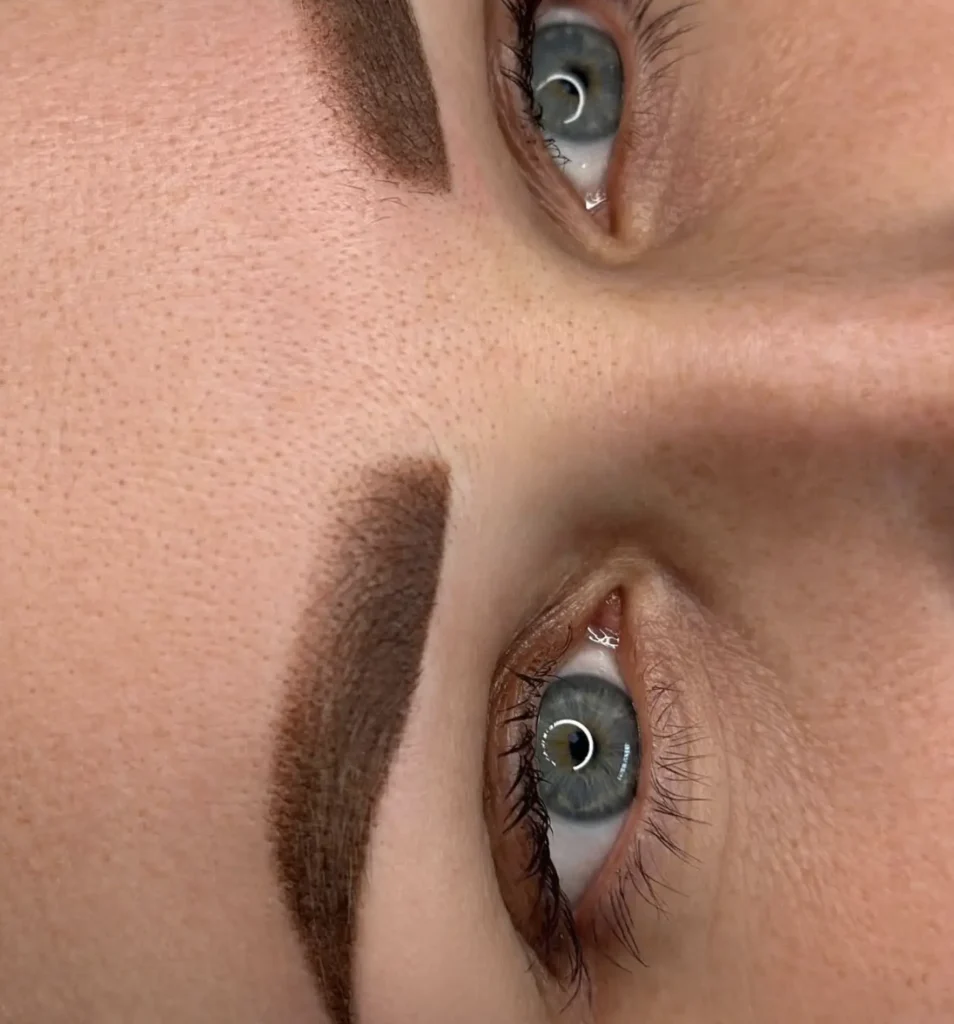
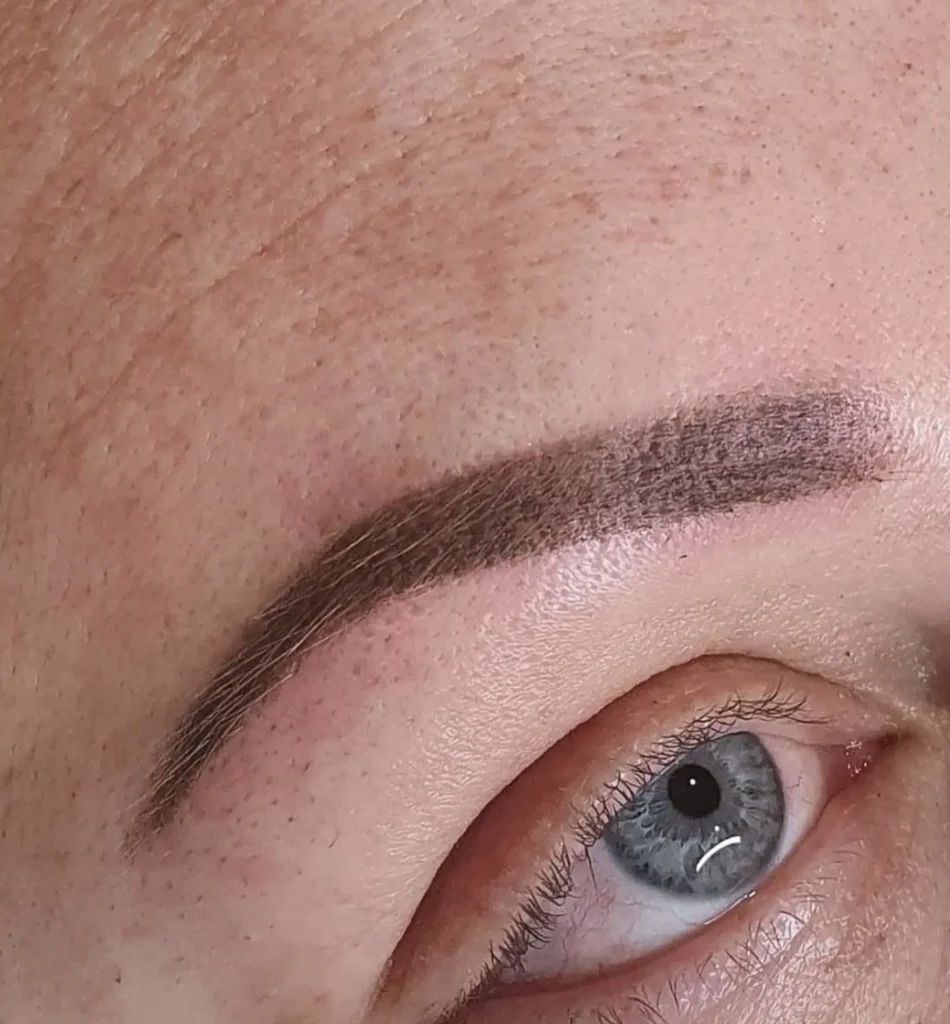
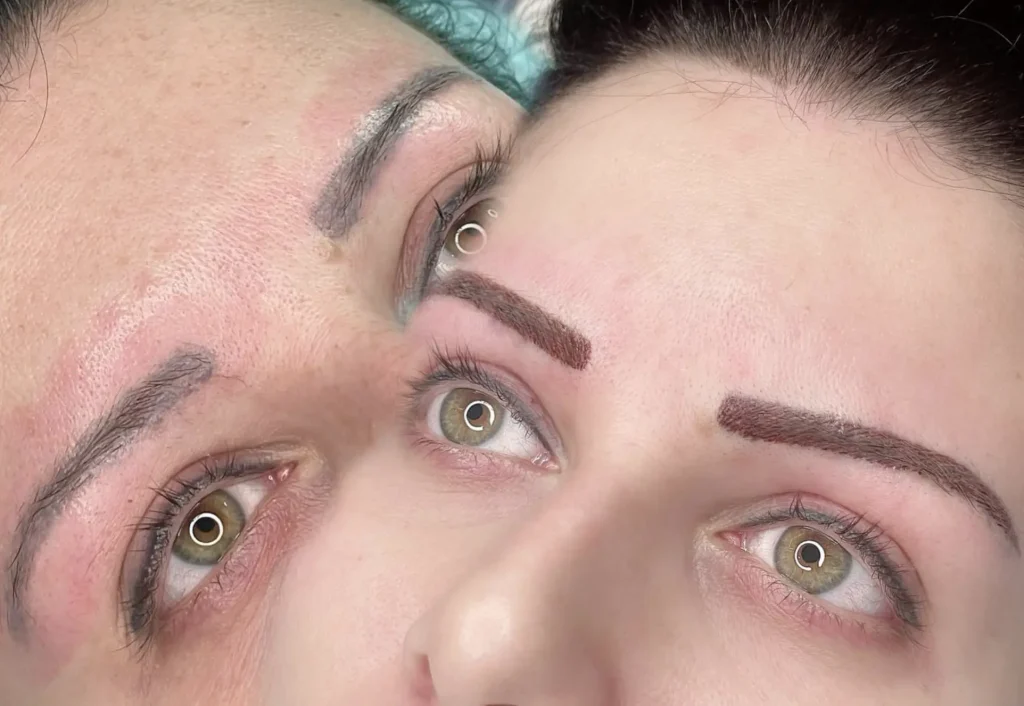
- Eyebrow Tattooing: Students learn microblading, combination brows and ombré brows. Eyebrow mapping, skin undertones and tattoo machine operation are covered in depth.
- Eyeliner tattoo: Tattooing eyeliner along the lash line to define the eyes.
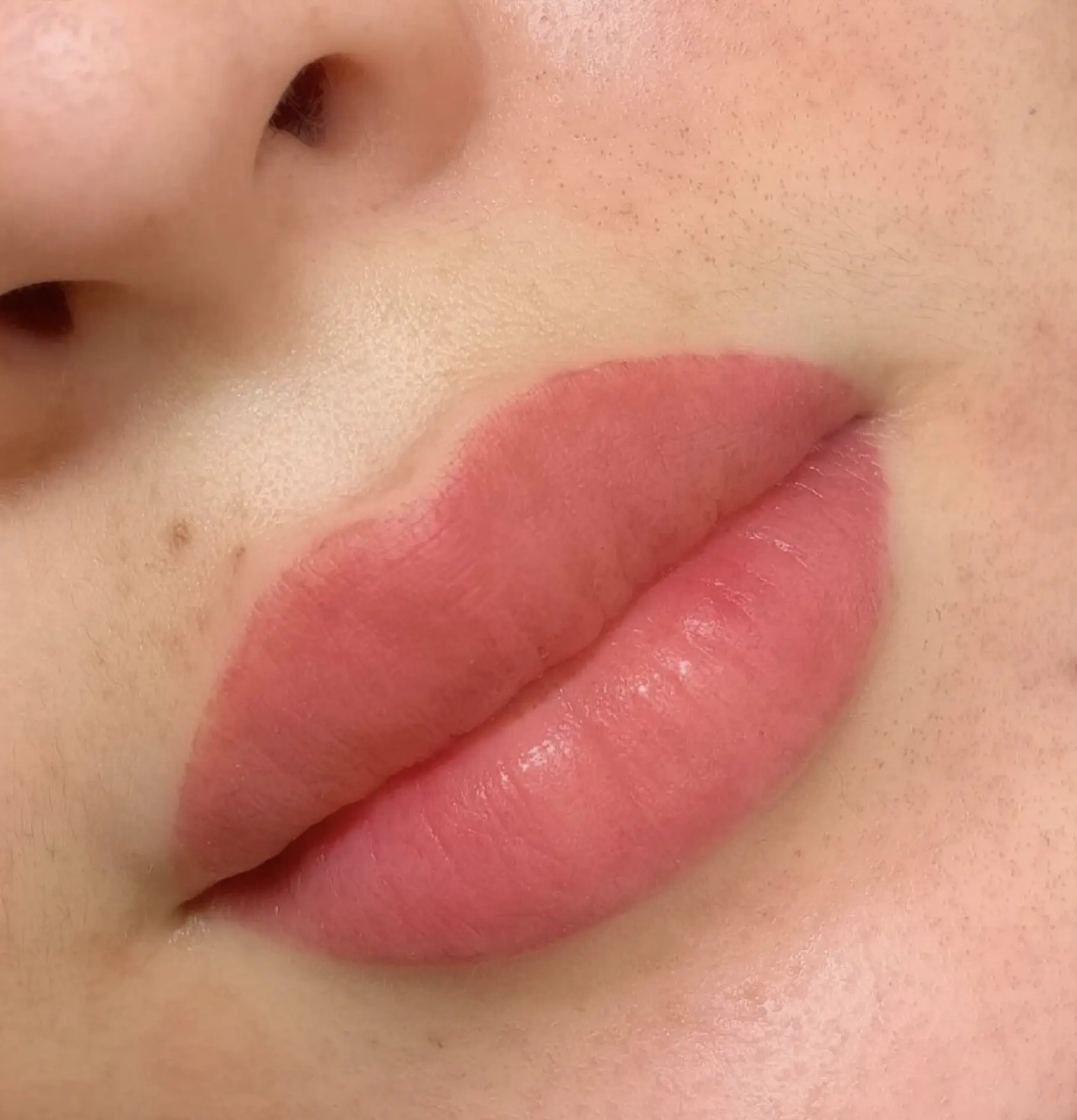
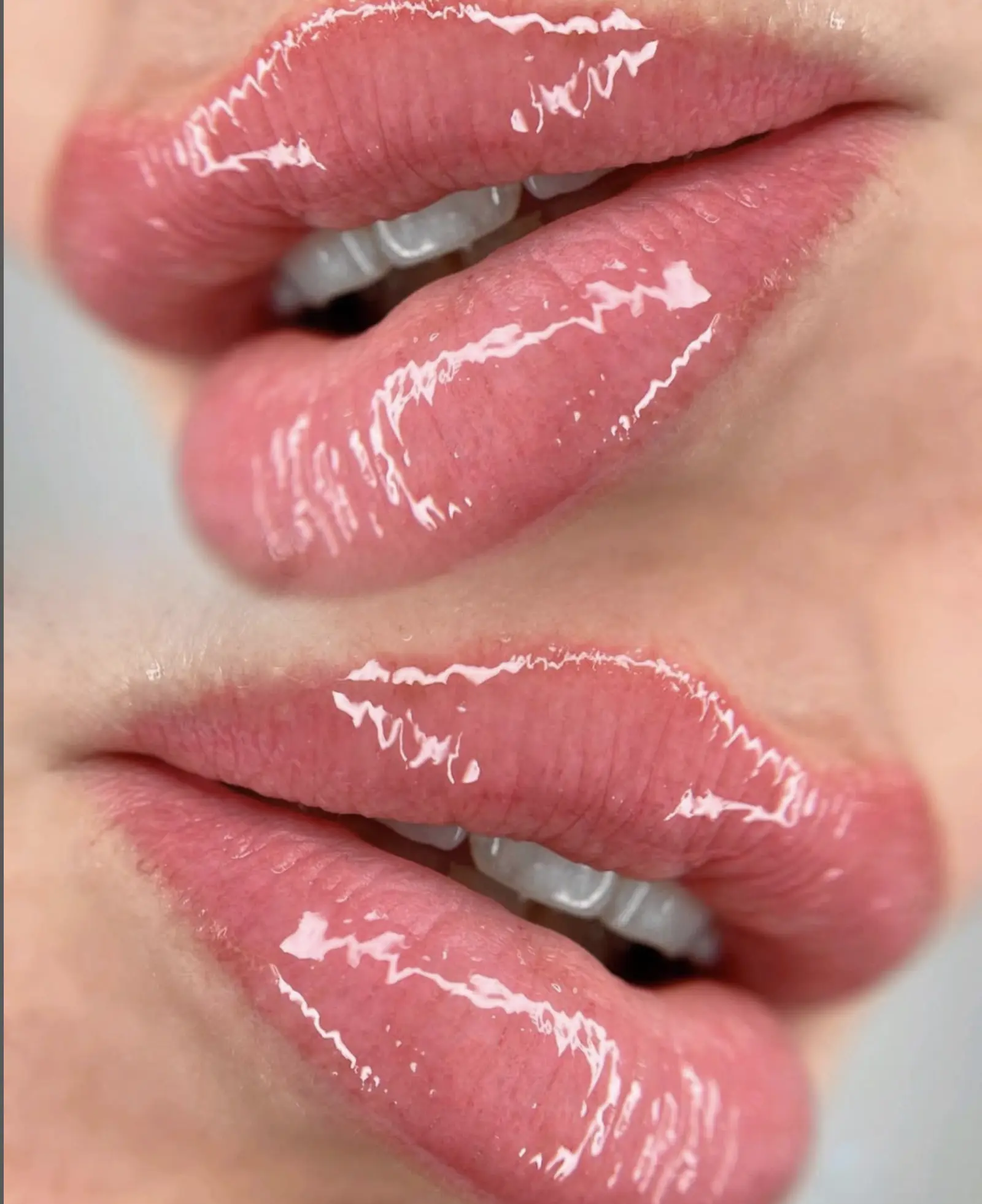
- Lip Blush and Lip Liner Tattoo: Courses teach the art of tattooing subtle lip blush or permanent lip liner to enhance the natural shape and colour of the lips.
- Advanced Techniques: You may also learn niche procedures like nipple areola complex tattooing, correction techniques and colour correction procedures.
Choosing the Right Course
When choosing a cosmetic tattoo course consider:
- Accreditation: Make sure the course is accredited by a recognised body. Certification is important for building your reputation in the tattoo industry and meeting industry standards.
- Experienced Trainers: Choose a course led by expert trainers with years of experience in cosmetic tattoo artistry. A industry leader will make a huge difference in your learning journey.
- Practical Components: Look for courses that have plenty of practical components where you can tattoo live models. This hands on experience is key to building confidence and honing your skills.
- Post Course Support: Some institutions offer ongoing support or advanced training to help you refine your skills after the course. If you’re looking to build a cosmetic tattoo business.
Conclusion
A cosmetic tattoo course can range from a few days for a short course to several months for a full training. Whether you do a beginner or advanced course, each training will give you valuable knowledge and hands on experience to become a certified cosmetic tattoo artist. With the right training you can start your own cosmetic tattoo business and offer your clients amazing cosmetic tattoo services.
Looking for a cosmetic tattoo course in Melbourne? You’ll find courses that teach popular techniques like eyeliner tattoo, lip tattoo and microblading to help you get ahead in the beauty industry.
FAQ
Do I need experience to do a cosmetic tattoo course?
While previous beauty training or makeup artistry experience is helpful, many courses are for beginners and start from scratch.
How much does a cosmetic tattoo course cost?
Cost can range from a few hundred to several thousand dollars depending on course length, trainer expertise and certification.
Do I need certification to be a cosmetic tattoo artist?
Certification is recommended as it shows your professionalism and knowledge in the industry and will attract clients and build trust.
Can I practice on live models during the course?
Most full courses include live model practice but the amount of practice varies depending on the course.
What are the benefits of advanced cosmetic tattoo training?
Advanced training gives you specialized techniques, expert guidance and the ability to master complex procedures like colour correction and 3D feather hair strokes to stand out in the tattoo industry.